Marketing plotted developments and villas around Bengaluru requires more explanation of land, access, approvals and what the buyer actually receives than a generic apartment campaign. Developers should separate the plot proposition from the built-home proposition, show current site evidence and qualify the intended use. The funnel must make document review and a practical site visit easy.
Start by stating exactly what the offer includes
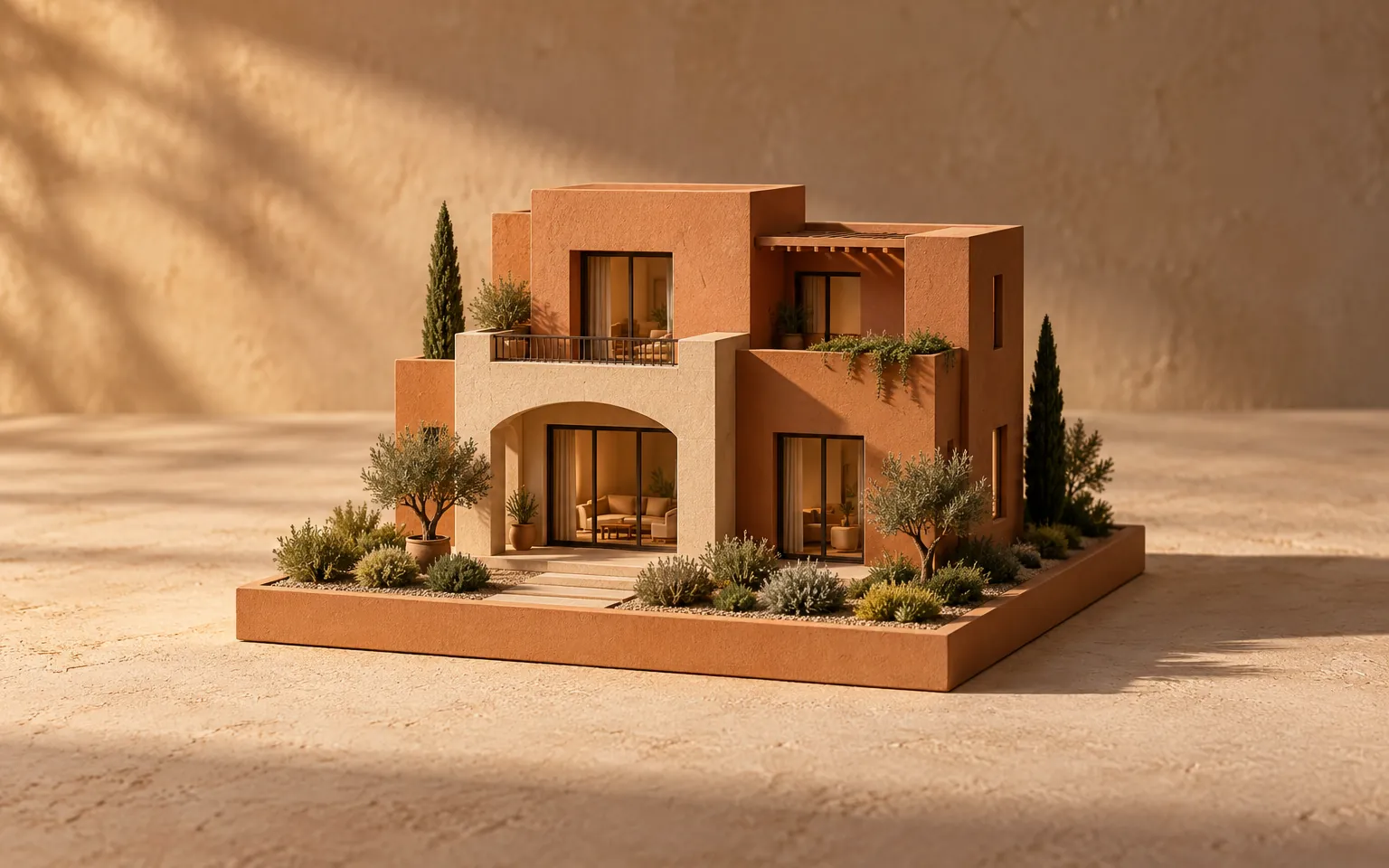
A plot, a villa plot and a completed villa are different products. Explain whether the offer includes only land, a construction arrangement or a finished home, and which obligations belong to the buyer. State the area basis clearly. An image of a furnished villa next to a plot price can create an expectation the actual offer does not meet. Creative clarity matters before any campaign tries to increase lead volume.
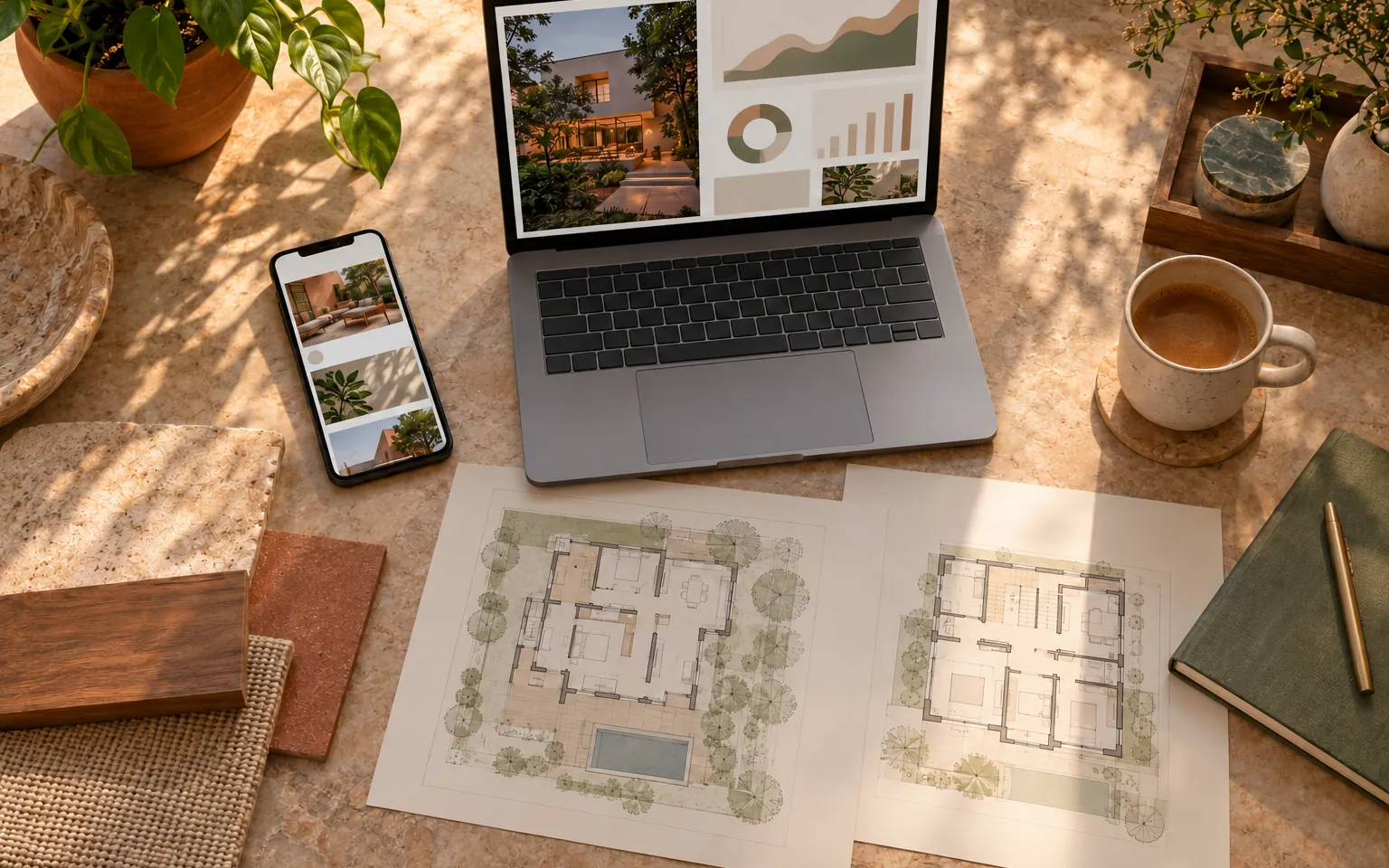
For an illustrative layout near Kanakapura, show the parcel dimensions, approach, internal roads and development scope using approved information. For a villa project near Devanahalli, distinguish plot area, built area and included specifications. Do not assume every buyer understands those labels. A clear explanation can reduce avoidable follow-up and help the visit team prepare for the questions the buyer will actually bring to the site.
Build a documentation path without making broad safety claims
Give the project’s authorised reviewer responsibility for the documents and claims that may be shared. Identify the relevant approval authority, registration position, plan and project scope. Avoid using phrases such as completely risk-free or guaranteed clear title as a substitute for document access. A developer’s marketing page should make the approved information understandable, while independent legal checks remain specific to the buyer and property.
Land and building approvals are not interchangeable, and one general badge does not explain every record. Keep a controlled pack for the sales team, with an owner who handles questions that need a legal interpretation. The RERA registration number helps readers locate the relevant project record; it should not be presented as a guarantee of investment performance. If the project has a proposed exemption, have the qualified reviewer approve the explanation before marketing uses it.
Explain the present site before selling a future lifestyle
A plotted development can have an attractive long-term design while current access or infrastructure is still being delivered. Separate completed work from planned work. Use dated site footage for the present condition and appropriately labelled impressions for the proposed design. Identify which roads, utilities or shared facilities form part of the approved scope. A visitor should recognise the site they saw in the campaign rather than discover that the entire visual was aspirational.
For villas, film the available show home or completed space accurately and explain the treatment shown. A decorated model home can help buyers understand scale, but loose furniture and fitted finishes should not be implied as included unless that is correct. The CGI and real-shoot comparison gives a useful production decision: use each medium for the evidence it can establish, and keep those distinctions in short campaign edits.
Qualify the intended use, not only the budget
A buyer planning to build a home has different questions from someone considering land for a longer holding period. Ask about the intended use, timing, financing and preferred location. For a villa, ask which room arrangement and living needs matter. Use the answers to guide the information shared rather than forcing everyone into the same urgency script. A prospect can be suitable without being ready to make an immediate commitment.
Record whether the buyer needs a legal discussion, a construction explanation or a family visit. This is actionable qualification, not just a hot-or-cold label. If enquiries repeatedly ask for a completed home while the offer is land only, revisit the ad and page before blaming lead quality. The mismatch may have been created by the visual or headline rather than the audience selected by the platform.
Make units and dimensions understandable
Land enquiries often mix sq ft, sq yd, acre, cent and guntha. Show the unit beside every figure and preserve the original approved document’s basis. Do not compare one parcel quoted in sq yd with another quoted in sq ft without conversion. Explain shape, dimensions and access as well as area, because two parcels with the same total area can support different practical questions about a future home.
The land and area unit converter is useful for arithmetic, but it does not measure the site or determine buildable area. It cannot replace a survey, local rules or an architect’s assessment. For villas, the carpet-area explanation is a separate issue from plot conversion. Keep those concepts distinct so buyers understand whether a number refers to land, enclosed living space or another approved area basis.
Match the corridor message to the actual location
Projects around Bengaluru can be compared under broad labels such as airport corridor, Sarjapur belt or South Bengaluru. State the real location and route first. A parcel beyond a familiar locality should not be presented as though it sits inside that neighbourhood. Identify current amenities and access using checked information, then label any infrastructure proposal by its actual status. Avoid appreciation forecasts that the campaign cannot substantiate.
The Bengaluru campaign approach distinguishes micro-markets without assuming one message suits all of them. A layout off Kanakapura Road may need access and self-build explanations, while a villa near Yelahanka may need configuration and neighbourhood context. These are hypotheses to test with buyer conversations. Use actual objections to refine them, rather than replacing project facts with a broad growth narrative.
Design the campaign around a useful site visit
A plot visit often needs more preparation than a show-flat appointment. Confirm the location pin, approach road, available site contact and the information the buyer wants to review. Ask whether family members are joining and whether the purpose is to inspect a specific parcel or understand the wider layout. If access or weather affects the visit, communicate the situation honestly rather than allowing a calendar confirmation to imply everything is ready.
At the visit, connect the marked parcel and approved plan with the campaign promise. Provide a way to record unanswered questions and assign the next response. For villas, prepare the relevant specification and cost-sheet explanation. Count completed first visits consistently, and keep reschedules separate from attendance. The no-show guide helps identify whether travel, timing or project fit prevented the visit, which leads to a more useful fix than repeated reminders.
Review acquisition, attendance and next steps together
A campaign can produce many enquiries from people attracted to a lifestyle image while relatively few understand the actual product. Report contactability, intended-use fit, completed visits and the reason for waiting. Show source counts beside percentages. Keep a note of changes in pricing, parcel availability and response coverage so the team does not attribute every movement to creative or targeting.
Use cost per site visit and the funnel calculator to connect acquisition spending with the next commercial stage. Forecasts should use your own assumptions and remain separate from observed outcomes. If suitable visitors do not proceed, investigate documentation questions, product scope and sales follow-up before increasing advertising. More traffic is not the first answer to an unclear offer or an unresolved question.
Frequently asked questions
Should a plot campaign use a finished villa image?
Only with enough context to prevent confusion about what is for sale. If the home is illustrative and the offer is land, state that clearly in the approved asset and destination. A better creative may be a truthful parcel or layout explanation that prepares buyers for the visit instead of creating a different expectation.
What should be shared before a remote buyer visits?
Share the approved location, dated site evidence, property scope and a route for relevant document questions. Agree what their family or representative needs to review on site. Avoid giving personal legal, financing or investment assurances through a generic follow-up script when the question needs a qualified specialist.
How should the developer prepare a release?
Review the launch readiness checklist alongside the project’s approval process. Shield Media is based in Bengaluru, working with projects across India. The launch campaigns service explains how positioning, assets and follow-up can be organised around a clear plot or villa proposition and the inventory actually being released.